

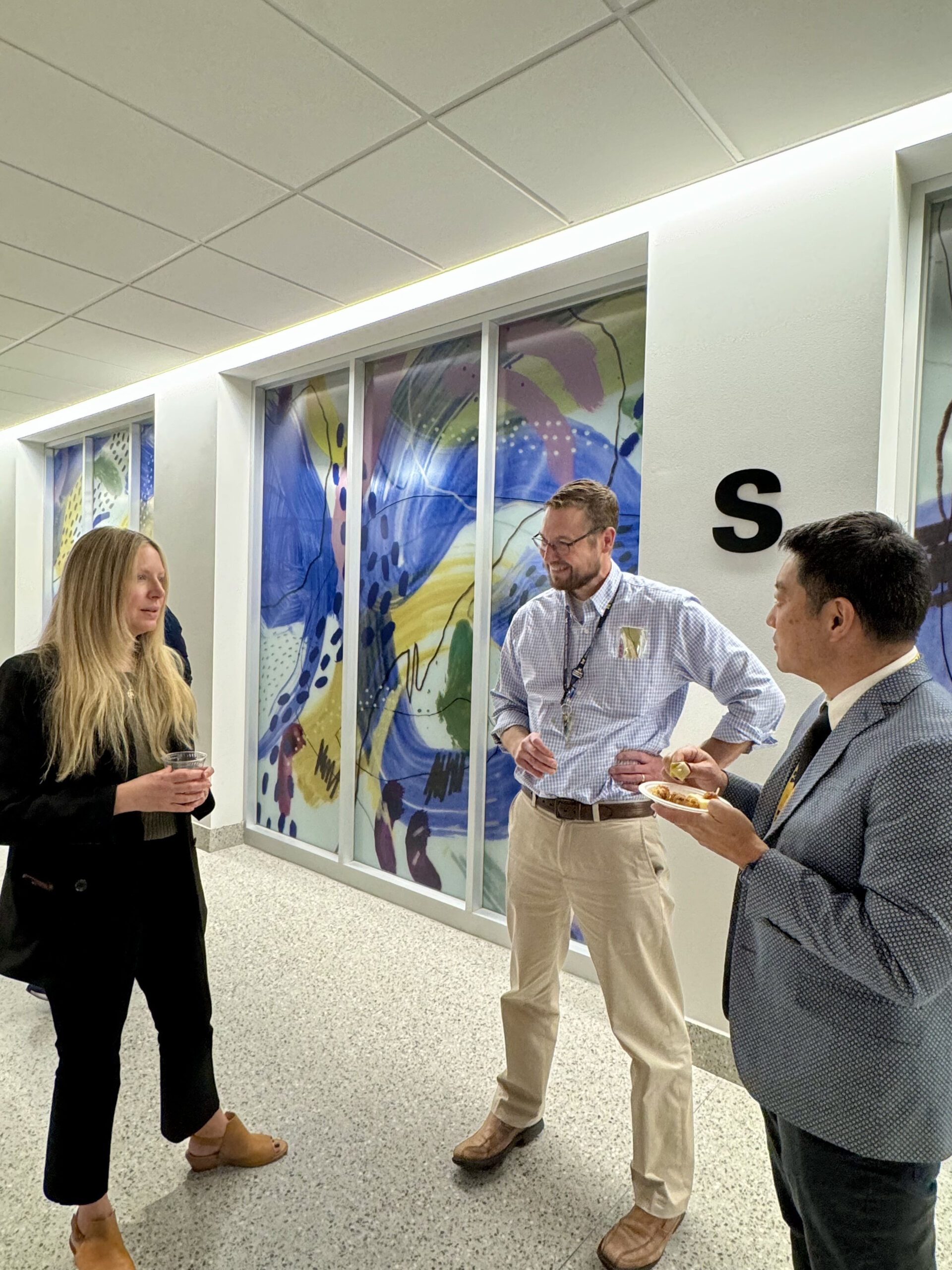

Jonathan Lifshitz, PhD
Professor, Physical Medicine & Rehabilitation
Michigan Medicine
Jonathan Lifshitz, PhD, is a distinguished neuroscientist specializing in traumatic brain injury (TBI). His extensive training and research experience span several prestigious institutions. He trained at the UCLA Brain Injury Research Center, University of Pennsylvania Head Injury Center and Virginia Commonwealth University Commonwealth Center on Brain Injury. He was a tenured faculty member and independent investigator at the University of Kentucky Spinal Cord & Brain Injury Research Center. In Phoenix, he led the Neurotrauma & Social Impact research team as a joint venture between the College of Medicine – Phoenix and the Phoenix VA Health Care System. Throughout his career, he has contributed significantly to the understanding and clinical application of experimental models of TBI.
Dr. Jonathan Lifshitz has conducted extensive research in several key areas of neuroscience, particularly related to traumatic brain injury (TBI). His work covers a wide range of cutting-edge topics, including:
- Mitochondria Involvement in Neuropathology: Exploring how mitochondria contribute to brain injury and the healing process.
- Amygdala-Dependent Affective Behavior: Investigating how TBI affects emotional responses and behaviors linked to the amygdala.
- Sensory Sensitivity: Studying alterations in sensory perception post-injury.
- Objective Signs of TBI: Identifying reliable biomarkers and clinical signs to diagnose TBI.
- Neuroinflammation: Examining the role of inflammation in the brain following injury.
- Cognitive Rehabilitation: Developing strategies to aid recovery of cognitive functions in TBI patients.
- Peripheral Inflammation: Understanding how inflammation outside the brain may impact or indicate brain injury.
His prolific output includes over 100 peer-reviewed publications that span basic research into the mechanisms of TBI, translational studies bridging lab findings with clinical applications, healthcare data analyses, and investigations into healthcare disparities. His work is accessible through databases such as PubMed and Google Scholar.
Major contributions to science include:
- Investigating novel spatial navigation as cognitive rehabilitation for TBI in the laboratory and clinic.
- Defined the Fencing Response as a TBI indicator, which is recognized through social media as a positive sign of concussion.
- Identification of rod microglia in neurodegenerative disease, with projects to develop molecular tools to interrogate, isolate and intervene.
- Defined post-traumatic sleep as an indicator of brain injury progression.
- Leading translational and community efforts regarding TBI in domestic violence.
- Investigating the consequences of TBI during pregnancy with a focus on transgenerational effects on neurodevelopment.
- Employing miniature microscopes (miniscopes) to understand post-injury pharmacokinetics and vascular dysfunction.
Education
PhD, University of Pennsylvania, Neuroscience, Department of Neurosurgery